This app works best with JavaScript enabled.
About
Services
Work
Blog
Contact
Search
What we do
Communications
Design
Digital Impact
Research
Social Impact
Where we do it
Arts and Culture
Education
Energy and Environment
Government
Health and Ageing
Property
About
Services
Work
Blog
Contact
What we do
Communications
Design
Digital Impact
Research
Social Impact
Where we do it
Arts and Culture
Education
Energy and Environment
Government
Health and Ageing
Property
Search
© Ellis Jones
+61 (03) 9416 0046
Filter:
All
Ellis Jones | Jun, 2026
Research translation that achieves impact.
Ellis Jones | Feb, 2026
Address cognitive overload for behaviour change.
Ellis Jones | Dec, 2025
3 stories. Visualised with infographic design.
Ellis Jones | Dec, 2025
Thinking fast, slow, Id and Ego.
Ellis Jones | Dec, 2025
Website development to strengthen the Carbon Capture and Storage industry.
Ellis Jones | Dec, 2025
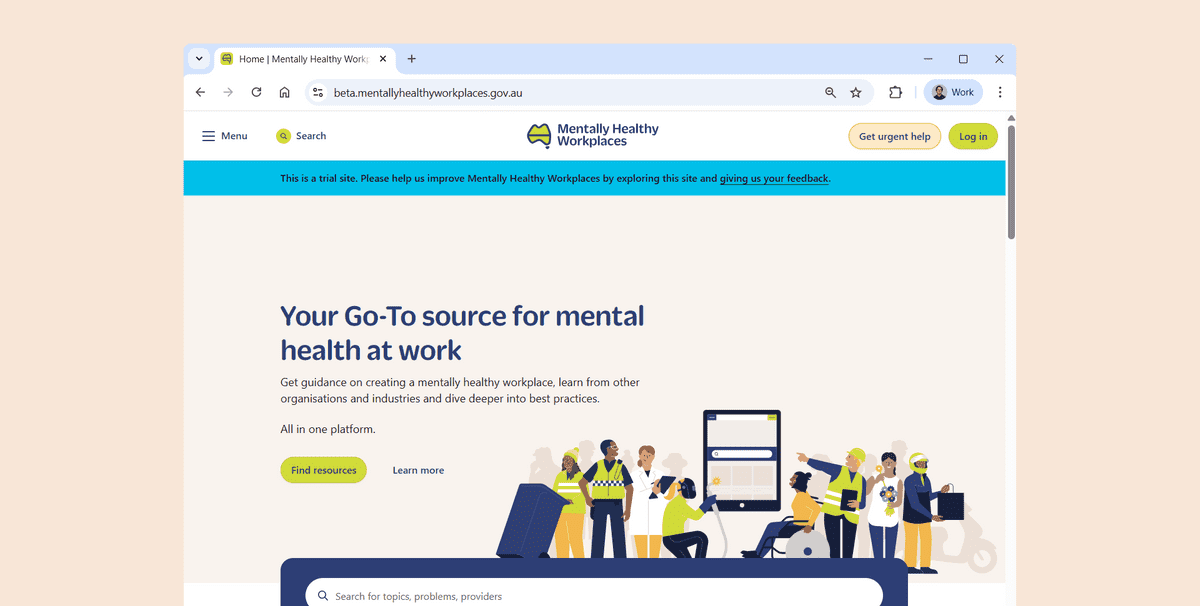
All the workplace mental health tools you need.
Ellis Jones | Sep, 2025
Meet Mick. New energy skills campaign now live!
Ellis Jones | May, 2025
Behaviour in a crisis. Trump’s second first 100 days.
Ellis Jones | Apr, 2025
Everyone’s talking about the future of work.
Ellis Jones | Mar, 2025
Four takeaways from Melbourne Centre for Behaviour Change Conference 2025.
Ellis Jones | Feb, 2025
Co-design a school community.
Ellis Jones | Dec, 2024
Best of 2024.
Load more...
Filter:
All
Discipline
Communications
Design
Digital Impact
Research
Social Impact
Sector
Arts and Culture
Education
Energy and Environment
Government
Health and Ageing
Property
Subscribe to our newsletter